
Are Listing Directories Still Important for Your SEO Strategy in 2026?
Reading Time: ~6 Mins | Written By: Daniela Sartori

Listing directories can be a controversial subject among SEO experts. Some professionals would say it’s part of the SEO foundations; others would say it won’t move the needle much. The question is: are listing directories still worthy in 2026? The answers might surprise you because there is no single black-and-white answer.
What are listing directories?
According to SEMRush, listing directories or online directories are “Websites that compile and categorize business information, allowing users to find and connect with businesses. They typically include details such as the business's name, address, and phone number (NAP), website, hours of operation, and sometimes additional information like customer reviews, services offered, and photos”.
For example, when a user searches for “digital marketing school near me”, search engines evaluate a wide range of signals, with consistent business citations being a key factor in determining which companies show up in the top local search results. There are many listing directories available to businesses, from widely used general platforms like Google Business Profile, Yelp, and Yellow Pages, to specialized niche directories like TrustedPros and HomeStars.
Past vs Present
In the past, the main strategy focused on quantity: submitting business information to as many directories as possible to expand visibility and backlinks, with no regard for quality or consistency. Nowadays, the approach has changed significantly with attention to quality rather than quantity.
The goal is to keep your information consistent, prioritize relevant directories for your business, and keep the listings up to date. In your listing should appear:
NAP (name, address, phone number) data
A polished description of your business
Business hours
Link to your website URL
High-quality photos or videos
Appropriate categories
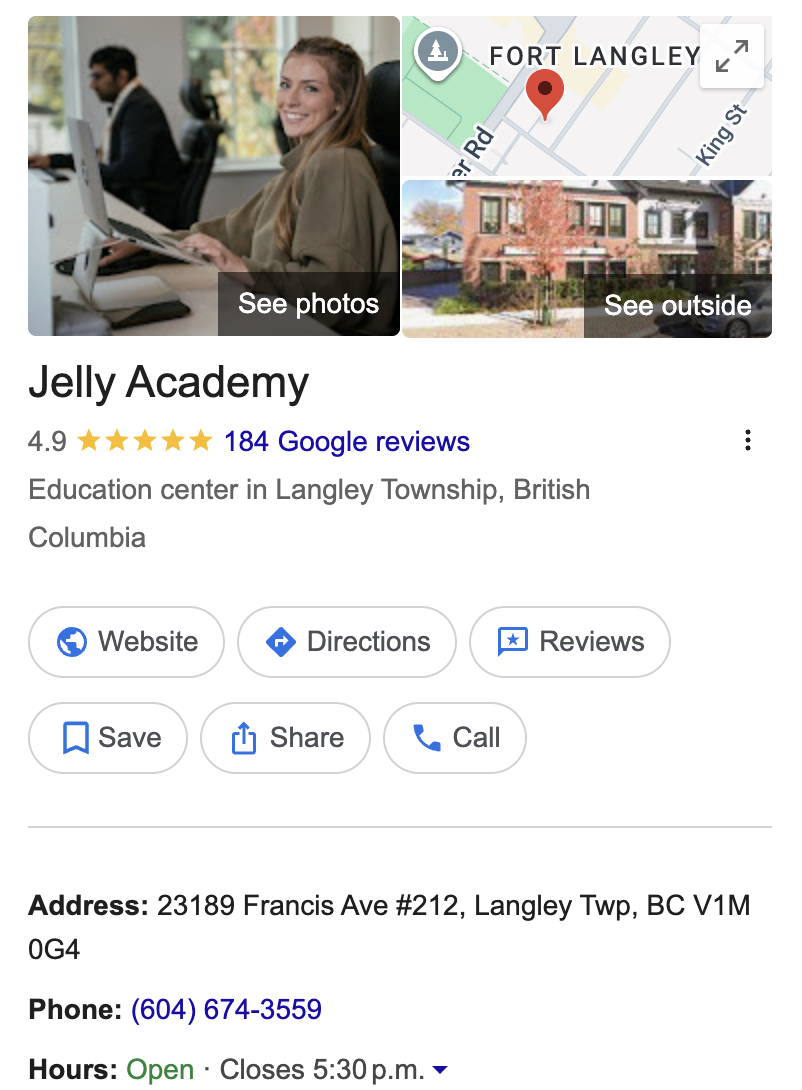
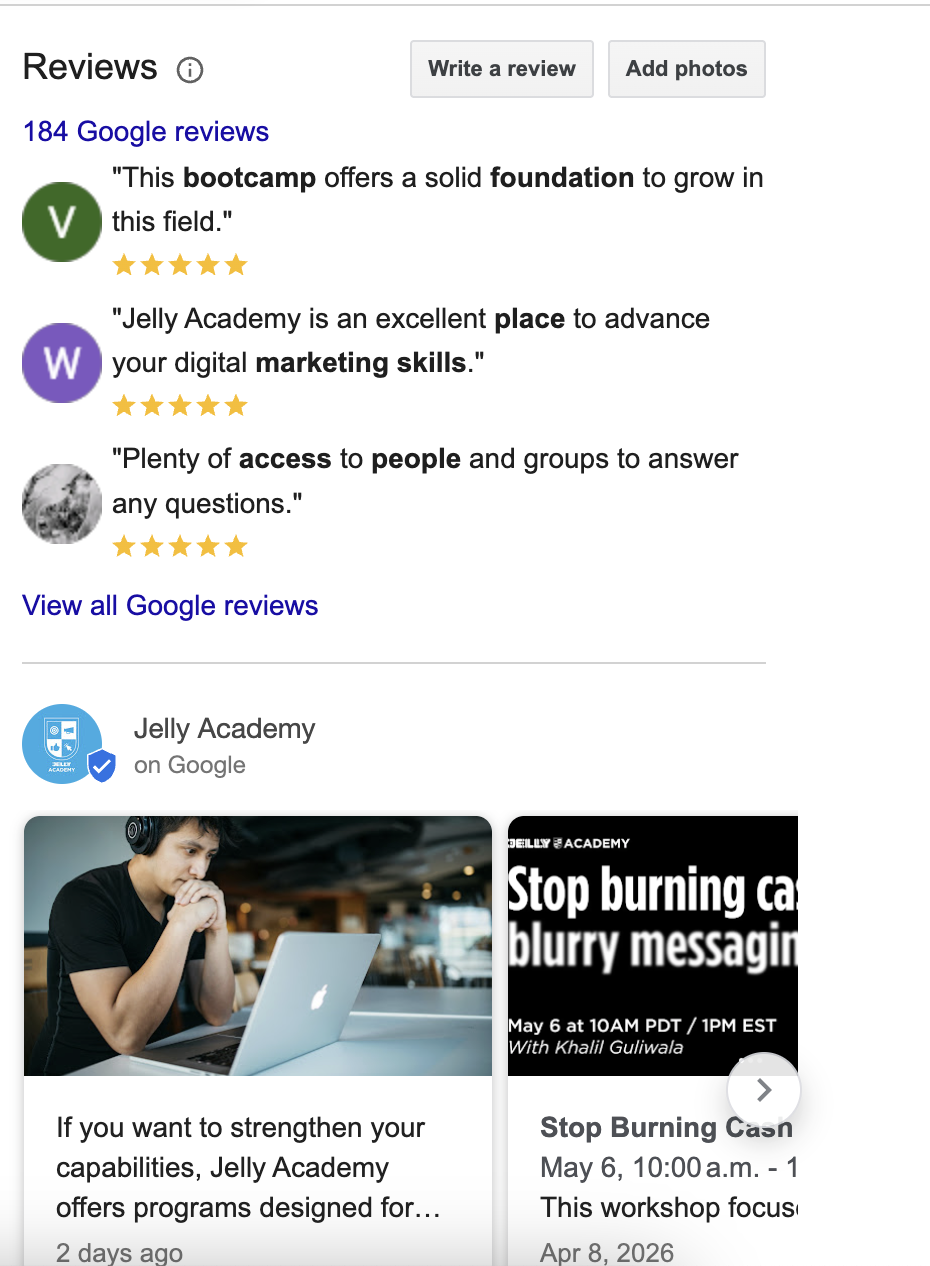
This strategy establishes trust and authority with search engines, strengthens SEO performance, and promotes how users find your business online.
How much do listing directories actually impact SEO today?
LLMs (Large Language Models) like ChatGPT, Perplexity, and Gemini are changing how users search the web and how information is presented to them. Instead of a list of links, AI systems collect and summarize data from various sources and present them as answers.
This change has introduced a new level of SEO: AEO (Answer Engine Optimization) and GEO (Generative Engine Optimization). Unlike traditional SEO, AEO and GEO focus on whether a business can be confidently selected and cited in an AI-generated answer.
When AI systems assess local businesses, they don’t just look at presence; they also value data correctness, consistency throughout all sources, and authority. Companies with strong, up-to-date profiles are far more likely to be recommended by AI assistants.
Even though citations are still important, they’re no longer the primary driver of local SEO performance. Google appears to use them mainly as a trust signal, while giving greater weight to factors such as reviews, proximity, and ongoing profile activity. According to Whitespark, “High Numerical Google Ratings (e.g., 4-5), Positive Sentiment in Review Text, Proximity of Address to the Point of Search (Searcher-Business Distance)” are among the most influential conversion factors in local search.
What to Avoid in Listing Directories in 2026
In 2026, not all directories can be beneficial for your SEO strategy. Avoiding low-quality, mass-submission directories is the first step. Google has become much better at identifying low-quality signals; as SEO Power Plays stated in one of their articles: “Google describes them as shady neighbourhoods.” Along with that, there are other things to avoid:
NAP data inconsistency
Duplicate profiles
Outdated information
Best Listing Directory Practices in 2026
A critical approach is required to build an effective citation strategy in 2026. If you want to create a healthy listing directory ecosystem, focus not only on NAP consistency but also on which directories are relevant to your business.
Considering factors such as domain authority, monthly visitors, and brand reputation can help build your strategy. Tools like Ahrefs and SEMRush can help you determine which directories are relevant for your business.
Furthermore, prioritize platforms with significant impact, such as Google Business Profile and Bing, by adding not only NAP details but also upgrading your listing with more detailed information. Then expand your research to industry-specific platforms such as the Chamber of Commerce or Better Business Bureau®. Lastly, establish regular checks to monitor any duplication and eventually update your information.
Listing Directories: Key Takeaways
Yes, listing directories are still an important part of your SEO foundation strategy, but the way they worked in the past no longer applies today. The role of citations has evolved: instead of driving rankings directly, they are now used by search systems like Google as a trust signal to validate your business information and establish credibility more efficiently.
Building and sustaining a strong citation profile still requires systematic effort, attention to detail, and alignment with other digital marketing strategies. Each accurate, high-quality citation reinforces business legitimacy, contributes to search engine confidence, and provides an additional touchpoint that both users and AI systems can reference when evaluating and recommending businesses.