
Reading Time: ~8 Mins | Written By: Jason Serafica, Sean Imoo & Rachel Dill

Brand awareness isn’t built in one place – it’s built through repetition across channels. A potential customer might see your ad, scroll past your social post, read your blog later, and only then remember your name. The brands that grow are the ones that show up consistently at every step.
To do that effectively, your marketing channels need to work together – combining reach, discoverability, and credibility into a single, cohesive strategy.
In This Guide
Digital Ads' Role in Increasing Brand Awareness
Expand Your Reach
Digital ads help your brand reach audiences outside your existing network. Platforms like Google, Meta, and YouTube allow you to target users based on interests, behaviours, and demographics, ensuring your brand is introduced to people who are most likely to engage with it.
Display and social ads are especially effective for awareness, as they place your brand in high-traffic environments where users are already spending time. This consistent visibility helps build familiarity, even if users are not actively searching for your product or service.
Leverage Visual and Video Content
Visual formats such as images, carousels, and video ads are highly effective for awareness because they are more engaging and memorable than text alone.
Short-form video ads, in particular, can quickly communicate your brand’s personality, values, and offerings (if done well). Even a brief exposure can leave a lasting impression, especially when paired with strong creative and clear messaging.
Support and Amplify Other Channels
Digital ads work best when they support your broader marketing efforts. They can amplify the reach of your SEO content, social media posts, and PR campaigns by driving additional visibility.
For example, ads can promote blog content, highlight media features, or extend the reach of social posts. This ensures your brand message reaches a wider audience and reinforces itself across multiple channels.
Choosing the Right Platforms for Brand Awareness
Not all advertising platforms serve the same purpose. When brand awareness is your primary goal, the focus should be on platforms that maximize reach, visibility, and engagement rather than immediate conversions.

Meta Ads (Facebook & Instagram)
Meta platforms are highly effective for building awareness due to their advanced audience targeting and visual-first formats. Businesses can reach users based on interests, behaviours, and demographics, making it easier to introduce your brand to new audiences. Formats such as image ads, carousels, and short-form video are particularly strong for storytelling and brand recall.
Google Ads (YouTube & Display)
YouTube Ads are powerful for awareness because they combine visual storytelling with scale. Even short exposures can leave a strong impression when paired with engaging creative. According to Google, video campaigns are particularly effective at driving brand awareness and recall, especially when optimized for reach rather than clicks.
Google Display Ads allows your ads to appear across millions of websites, apps, and placements. This makes it ideal for expanding reach and keeping your brand visible across different browsing environments. Display ads are widely recognized as a top-of-funnel strategy, helping introduce your brand to users who may not yet be actively searching.
TikTok Ads
TikTok has quickly become a strong awareness platform due to its highly engaging, content-first experience. Its algorithm prioritizes discovery, meaning brands can reach large audiences even without an existing following. Short, authentic video content tends to perform best here, making it a strong option for brands looking to build recognition quickly.
LinkedIn Ads (for B2B)
For B2B companies, LinkedIn offers a more targeted approach to awareness. It allows brands to reach professionals based on job title, industry, company size, and seniority.
How SEO Can Strengthen Your Brand Awareness
Optimize Your Website for Search Engines
Your website is the foundation of your online presence. Optimizing it ensures that when people find you through search, your site is fast, easy to navigate, and trustworthy.
Technical SEO: fast loading pages, mobile-friendly design, secure HTTPS connections and clean URLs.
On-page SEO: clear titles, descriptions, headings and content that include relevant keywords.
Off-page SEO: building your brand’s authority outside your website through backlinks, mentions on reputable sites and social signals that show search engines your brand is trustworthy and relevant.
Well-optimized pages work hand in hand with ads and social campaigns - visitors may first see a post on social, click a link and then discover more through search later.
Create Helpful, High Quality Content
Content is how people learn about your brand and engage with it. Creating useful, shareable content supports all awareness channels: search engines surface it, social users share it, and PR campaigns can reference it.
Focus on long-tail keywords that match what your audience is actively searching for
Produce blogs, guides, or FAQs that provide actionable, easy-to-understand answers
Include visuals like images, infographics, or short videos to make content more engaging and shareable
By consistently publishing valuable content, your brand becomes more visible, memorable, and trusted – enhancing the impact of ads and social campaigns.
Build Authority Through Backlinks
Backlinks are links from reputable sites to yours. This signals trust to search engines and exposes your brand to new audiences.
Guest Blogging: contribute informative content to relevant sites
Shareable Resources: create in-depth guides or research that others naturally reference
Collaborations: work with industry publications, influencers, or partners
Backlinks help amplify your other marketing efforts. When people discover your brands through ads, social posts or PR mentions, authoritative links reinforce credibility and familiarity.
Monitor & Improve
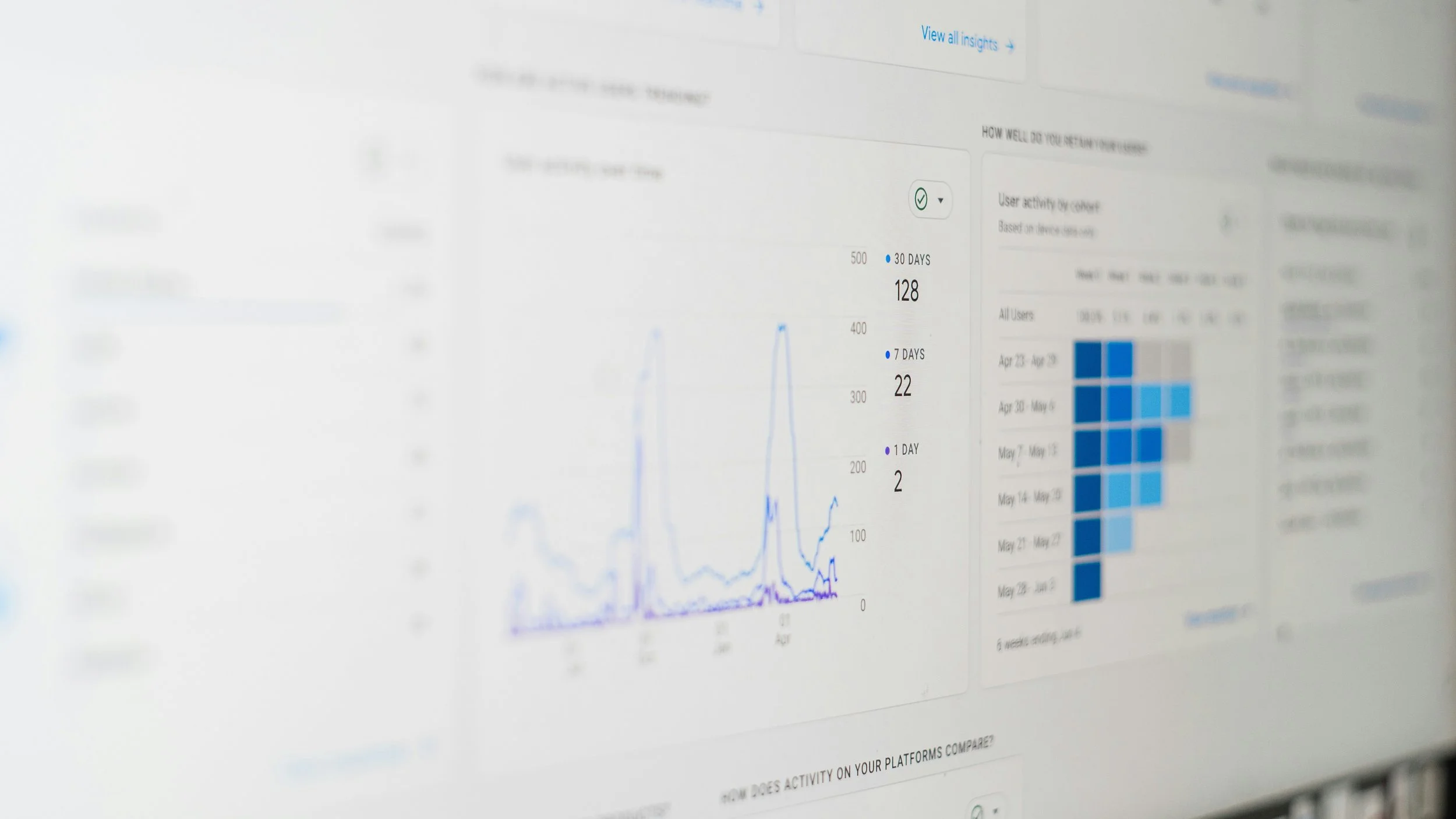
SEO is an ongoing process. Tracking performance helps your brand stay visible and relevant, supporting the broader marketing mix.
Track organic traffic, keyword rankings, and engagement metrics.
Identify underperforming pages and optimize them with updated content or improved links
Replicate strategies from successful pages to grow visibility across your site.
Continuous SEO improvements ensure your brand’s presence complements and strengthens ads, social and PR efforts, creating a cohesive awareness strategy.
Why SEO Matters in a Multi-Channel Approach
SEO works best as part of a larger strategy. It helps other channels such as ads, social media and PR perform better – and those channels in turn, can support your SEO by driving traffic, links, and visibility. Together, they help your brand become more visible, trusted and memorable.
The Role of Social Media & PR in Building Brand Awareness
Build Visibility Where Your Audience Spends Time
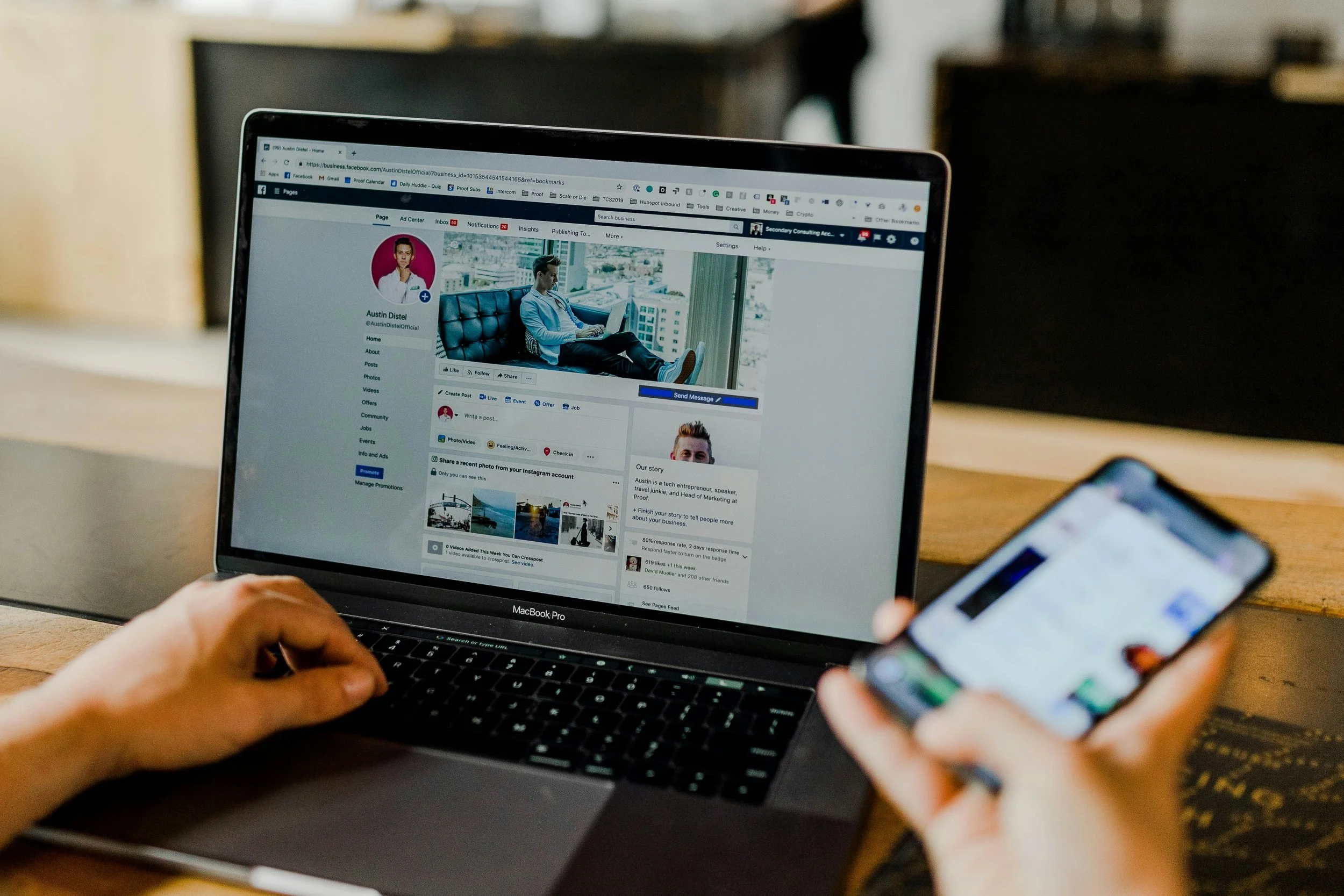
Social media is one of the most reliable ways to keep your brand in front of new and existing audiences. Showing up consistently matters. When people see your brand regularly, even passively, it starts to stick.
That visibility compounds over time. Someone might scroll past your post today, notice you again next week, and only later click through or search your name. That’s how awareness builds. It’s rarely a single moment. It’s repetition.
Unlike search or ads, where intent is immediate, social media works more gradually. It builds familiarity first, which makes every other interaction with your brand feel more natural and recognizable.
Create Engaging, Shareable Content
Content That Feels Real
Content is usually the first impression someone has of your brand, so it needs to do more than just exist. It should give people a reason to pause, engage, or share.
The content that performs best for awareness tends to feel less like marketing and more like something worth watching or learning from. Short-form video, especially repeatable reel series, works well here. When a format is consistent, recognizable, and delivers value each time, people start to remember it and come back for it.
User-generated style content is another strong driver. Even when it’s created in-house, a more casual, less polished approach often performs better because it feels real. Overproduced or overly scripted content can create distance, while simple, human content tends to build connection faster.
It’s also worth being selective with how AI is used in content creation. It can be helpful behind the scenes, but if everything feels automated or generic, people notice. The brands that stand out are the ones that still feel human, with a clear voice and point of view.
Trends can play a role, too, but only when they fit naturally. Jumping on every trend can dilute your brand. Being selective and adapting trends in a way that aligns with your voice tends to be far more effective.
At a practical level, the easier your content is to understand and share, the further it travels. Clear ideas, simple messaging, and a strong hook go a long way in expanding your reach.
Foster Engagement and Community
Turn Interactions Into Connections
Brand awareness is not just about being seen. It is about building connections. Social media allows brands to have direct conversations with their audience through comments, replies, and shared content.
Social media gives brands a direct line to their audience. Replying to comments, acknowledging feedback, and participating in conversations show there are real people behind the brand. That matters more than most metrics suggest.
Over time, these small interactions build trust. They also make your brand more recognizable because people associate it with a consistent voice and presence, not just a logo or product.
Leverage PR for Credibility and Reach
Boost Your Brand Through Trusted Third-Party Voices
Public relations helps your brand reach new audiences while building credibility. When your brand is featured in trusted publications or industry outlets, it benefits from the authority those platforms have already established.
It introduces your brand to new audiences in a context where trust is already established. That shortcut is valuable. Instead of having to prove yourself from scratch, you are being introduced with some level of authority. This is why earned media often has a stronger impact than paid placements. People are more likely to pay attention when the message is coming from a third party rather than directly from the brand.
Strong PR is not just about big announcements. It can include thought leadership, expert commentary, partnerships, event participation, and consistent media outreach. Over time, these smaller moments add up and help shape how your brand is perceived.
It also creates a ripple effect. Media coverage can lead to backlinks, increased search visibility, and more opportunities down the line. This is part of what makes PR so valuable in a broader awareness strategy.
Amplify PR Through Social Media
Use Social Media To Strengthen PR Impact
Social media extends the life and reach of PR efforts. A single media mention can be turned into multiple pieces of content and shared across channels to reach a wider audience.A single feature or mention can be turned into multiple pieces of content. You can share it, break it into key takeaways, turn it into short-form video, or use it as proof in future messaging. This not only extends its reach but also reinforces your credibility across different channels.
Repurposing in this way keeps your brand visible without constantly needing to create something entirely new.
How It All Works Together
Brand awareness is most effective when each channel reinforces the others:
Ads create reach
SEO captures demand and builds discoverability
Social media builds familiarity
PR establishes credibility
A potential customer might see your brand on one platform, encounter it again elsewhere, and only later take action. Each interaction strengthens the last.
Final Thoughts
Brand awareness isn’t built through a single campaign or channel. It’s the result of consistent visibility across ads, search, social media, and PR.
Most people won’t engage the first time they see your brand, and that’s the point. Awareness is built through repeated exposure, across different platforms and moments.
When your strategy is aligned across channels, each one becomes more effective. Instead of isolated efforts, you could create a connected experience that makes your brand more recognizable, more memorable, and ultimately more trusted.
If you’re looking to grow your brand’s visibility, the focus shouldn’t be on choosing one channel – it should be on making them work together.