
Why Your Product Page Isn’t Ranking And How to Fix It
Reading Time: ~4 Mins | Written By: Jason Serafica

Even the best product pages can get lost in search results. You might have great visuals, detailed descriptions, and competitive pricing, but if your page isn’t showing up where customers can find it, you’re missing out on valuable traffic and sales.
The good news? Improving your rankings isn’t as complicated as it seems. In this guide, we’ll walk through the most common reasons product pages don’t rank and provide simple, actionable steps you can take to fix them.
Targeting Ineffective Keywords
If your product page isn’t showing up in search results, it may be because the keywords you’re using don’t align with what customers are looking for.
Problem: Your product page ranks for generic terms that buyers aren’t searching for.
Fix:
Use long-tail, purchase-intent keywords.
Example: Instead of “marketing course,” try “online digital marketing bootcamp for beginners.”
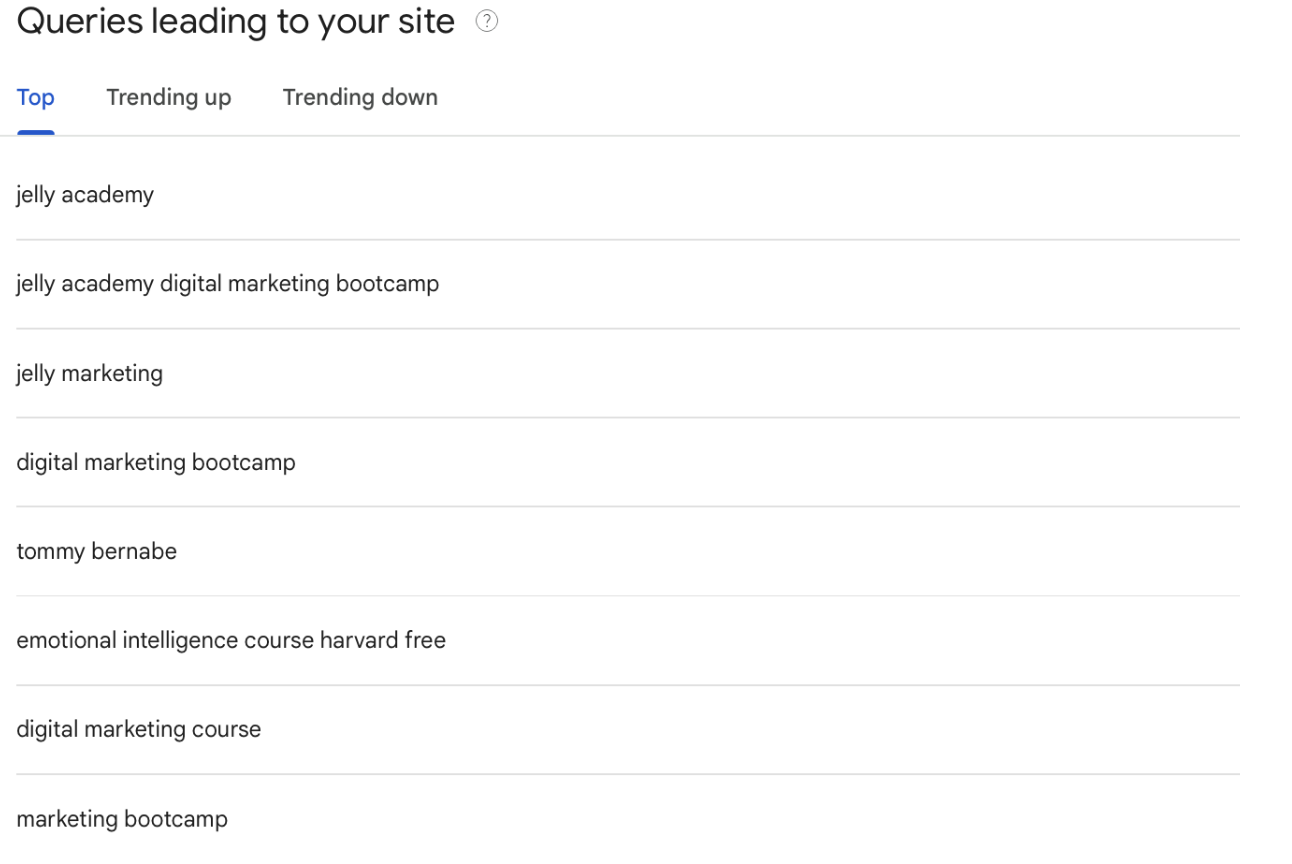
Check Google Search Console for queries that already generate impressions.
Tip: Use the Content Gap tool in Ahrefs to compare your site against competitors and uncover missing keywords – those search terms your competitors rank for but you don’t. Targeting those gaps by creating or optimizing content can help your product pages attract more relevant traffic and improve visibility.
Weak On-Page SEO
Even great content won’t rank if your titles, headings, and meta descriptions don’t match search intent.
Problem: Your titles, meta descriptions, headings, or images don’t match what users are searching for, making it harder for your page to rank.
Weak Example:
Title: Marketing Course Overview
Meta Description: Learn basic marketing strategies and tips for promoting your business online.
H1 Heading: Introduction to Marketing Concepts
Issue: Users searching for a structured, career focused digital marketing bootcamp won’t find this page relevant. The language is too broad and doesn’t match the intent behind “bootcamp,” which implies intensity, certification, and outcomes.
Fix:
Include your primary keyword in the title, H1, and meta description.
Avoid copying product or course descriptions from other sites; write unique summaries highlighting benefits.
Strong Example:
Title: Digital Marketing Bootcamp - Become a Digital Marketer Today
Meta Description: Join our digital marketing bootcamp and gain hands on experience in SEO, social media, and analytics. Start your career in digital marketing today!
H1 Heading: Accelerate Your Career with Our Digital Marketing Bootcamp
Why It Works:
This version uses keywords that match search intent, clearly communicates value and outcomes, and signals relevance to users looking for a career focused, results driven program.
Slow or Mobile-Unfriendly Pages
Page speed and mobile usability directly affect both rankings and user engagement.
Problem: Slow loading times or poor mobile experiences hurt rankings and engagement.
Fix:
Compress images and enable lazy loading.
Use a responsive layout for mobile devices.
Example: For a product listing, use optimized thumbnail images between 300 - 500 KB, or in WebP format if your website platform supports it, to maintain quality while improving mobile load times.
How to Test:
You can start simple: open your page on a desktop or mobile device. If it loads in under 3 seconds, your speed is generally good. If it’s slower, it’s a signal to optimize images, enable lazy loading, or improve your mobile layout.
If you want to dive deeper, use PageSpeed Insights for detailed performance scores and step-by-step recommendations.
Thin or Duplicate Content
Search engines favour pages with detailed, original content that satisfies user intent.
Problem: Short descriptions or copied content reduce page relevance.
Example: If your product page for an “online digital marketing bootcamp” only has a 50-word description copied from another site, search engines may see it as low-value content. Adding a detailed, unique description that explains the course benefits, outcomes, and FAQs helps your page rank better and engage visitors.
Fix:
Write 300 - 600 words of unique, benefit-focused content.
Add FAQs, testimonials for trust and context.
Poor Internal Linking
If your pages aren’t linked properly, search engines may not discover them.
Problem: Search engines can’t easily discover your page.
Fix:
Link from related category pages, blog posts, or other relevant content.
Use descriptive anchor text like “explore our SEO tutorials” or “shop organic skincare products.”
Example: A blog post on “SEO Basics” can link to a course page as the next step for learners.
Lack of Authority & Backlinks
Pages with great content may still underperform if they lack authority signals from other websites.
Problem: Competitors outrank you despite similar offerings.
Fix:
Build backlinks through guest posts, partnerships, or collaborations.
Encourage reviews or testimonials on trusted platforms.
Note: While not every review will include a link, authentic feedback builds credibility and can indirectly support your SEO by boosting brand trust and engagement.
Technical SEO & Indexing Issues
Search engines can’t rank pages they can’t crawl or index, no matter how good the content is.
Problem: Even if your content is perfect, search engines can’t rank your page if it can’t crawl or index it. Common issues include:
Crawling errors (broken links, server errors)
Duplicate URLs or content
Missing canonical tags
Incorrect sitemap or robots.txt blocking
Lack of structured data (schema markup)
Fix:
Run a technical SEO audit using tools like Screaming Frog or Ahrefs to identify pages with crawl or indexing issues.
Check for pages marked as non-indexable and submit indexing requests in Google Search Console.

Example: https://yourwebsitename.ca/sitemap.xml
To submit your sitemap, go to the left-hand menu in Google Search Console and select Index → Sitemaps.
You only need to submit your sitemap once, unless significant changes are made to your site. After submission, Google will automatically crawl and index your pages.
Review your robots.txt and sitemap to ensure pages aren’t accidentally blocked.
Bottom Line
If your product page isn’t ranking yet, don’t be discouraged. Every site starts somewhere. Small, consistent improvements in keywords, content, and technical SEO can make a real difference. Focus on clarity, quality, and user experience, and you’ll see steady growth over time.
About Jelly Academy: Jelly Academy’s courses are designed to stay up-to-date with the latest marketing trends, helping students and professionals grow their skills. Observing how these techniques are applied in practice can reinforce your learning and improve your own projects.